Top Ad 728x90

dimanche 26 avril 2026

Melty Grilled Cheese And Ham – The Best Comfort Food

by


Melty Grilled Cheese And Ham – The Best Comfort Food


 This epic grilled ham and cheese sandwich has buttery toasted bread, smoky salty ham, and gooey, melty cheese make a sandwich that seems sort of simple, but it just hits the spot EVERY.SINGLE.TIME.

Just like my (equally as epic) recipe, the ooey gooey cheese is key for a comfort food sandwich.

2 halves of a grilled ham and cheese sandwich stacked on top of eachother on a blue plate.

Make This Into A Full Meal 

Don’t just make the sandwich…. make it a full, cozy meal:

 – creamy, tangy, and perfect with warm sandwiches. The chilled salad is delicious with the warm gooey cheese!
 – the classic dunking combo.
 – Like fries, but crispier and covered in parmesan!

🌟Ingredient Highlights

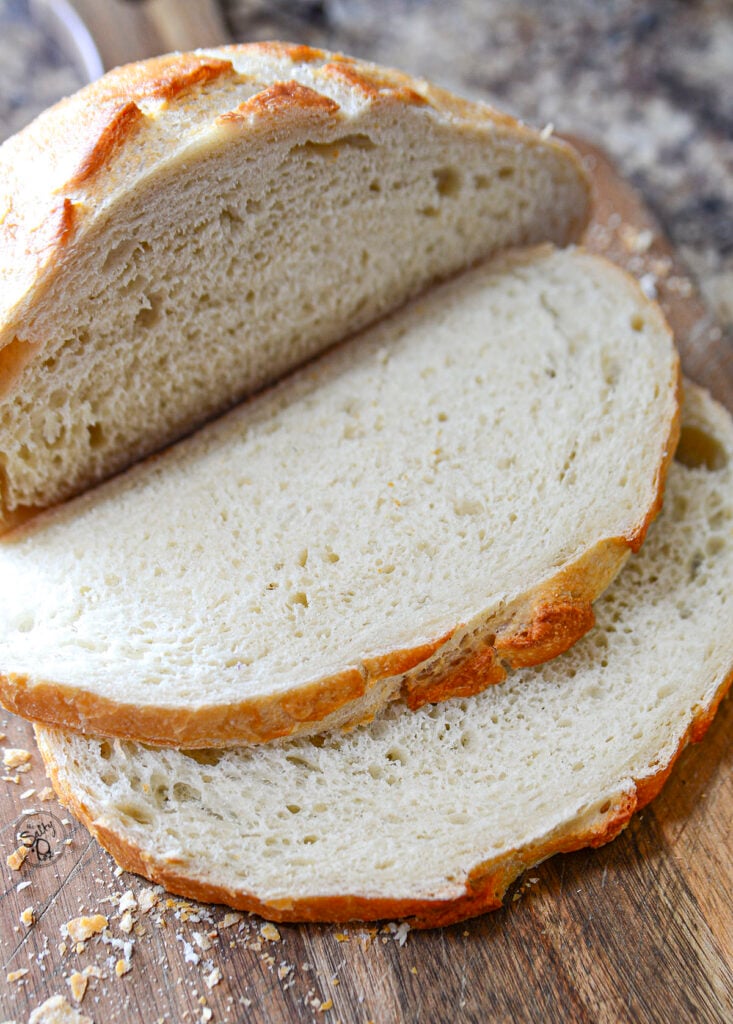
  • Bread: I used my homemadefor my sandwich today, but almost any bread you love will work. White bread, brown or whole wheat bread as well as special artisanal bread would be lovely. If you can toast it, it will work.
  • Cheese: The choices are endless, but I like a classic grilled cheese so I’ll typically use sharp cheddar. But if you’re feeling adventurous, swiss, provolone, pepperjack, or spicy havarti is also excellent to use.
  • Ham: I have a local butcher shop that makes a delicious black forest ham that I order shaved, and I recommend you use your favorite shaved ham as well. I like to buy it shaved because shaved ham keeps the sandwich tender to bite into and creates more surface area for the flavors to melt together in that perfect bite. Other alternatives are listed below.
  • Butter: Butter is best for that deliciously rich flavor and a nice crispy crust on the sandwich. Margarine can also be used as a substitute and for a lighter option, some spray oil will work.
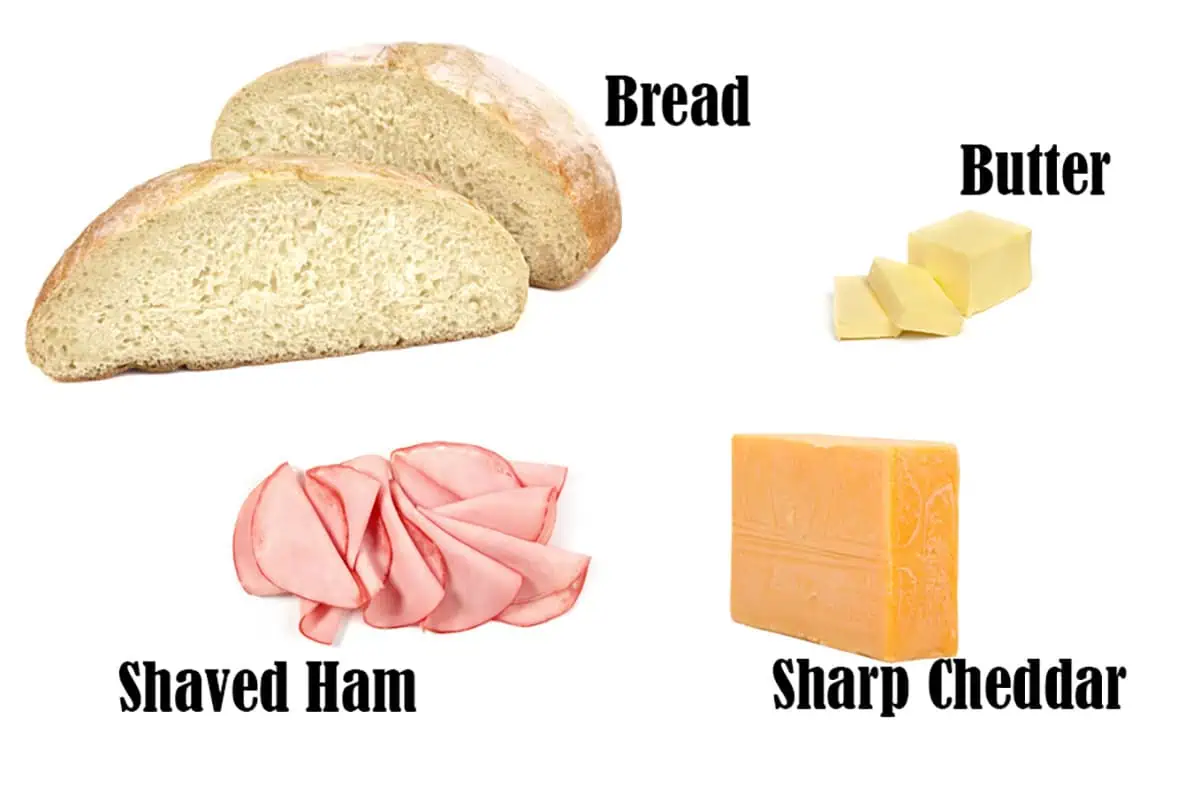
Grilled ham and cheese ingredient photo. Bread, butter, shaved ham and sharp cheddar.

Choosing The Right Kind Of Ham

You can use any ham you love for your sandwich. Here are a few options that taste amazing!

  • Honey Ham – adds sweetness to the sandwich without being overbearing.

  • Smoked Virginia Ham – The smokiness is delicious and adds tons of flavor!

  • Peppered Ham – has some spice to it and has a rich flavor that can’t be beaten.

  • Spiral Ham – If you have a holiday dinner or any other occasion and end up with leftover spiral ham, it makes the most fantastic sandwich!
  • You can also use a Black forest ham, shaved thin. This is what I used today for my sandwich.

How To Make This Grilled Ham And Cheese Sandwich Recipe

PREP STEP: Bring the cheese out of the fridge about 10 minutes before making the sandwich so the cheese comes to room temperature. You’ll need a skillet and a spatula to flip the sandwich.

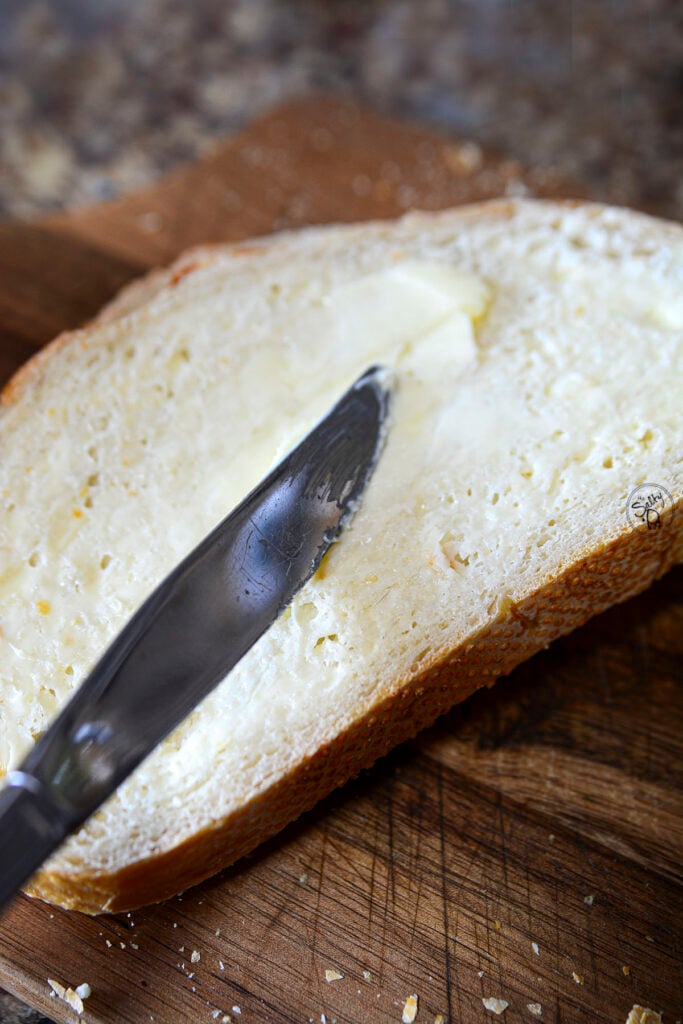
STEP ONE: I cut two nice big slices and then buttered one side of it. This buttered side will be the BOTTOM layer of the sandwich. 
STEP TWO: Lay the buttered side down in the pan and after that, I just started layering the ingredients. I like putting cheese on both the bottom and top, kind of sandwiching the ham in the middle.

STEP THREE: Then, put the other piece of bread on top of the cheese. I buttered the outside so that when you flip the sandwich in the pan, will become the bottom piece. 

Grilled cheese and ham sandwich in the skillet with the buttered side up.

SALTYPOT TIP: The important step is to fry it low and slow over medium-low heat. If you grill it too quickly, the bread will burn before the cheese melts. You want the sandwich to warm slowly, so the cheese gets a chance to get all melty and yummy as the bread toasts or, grills, in the pan. 

After it’s toasted on one side, flip it carefully and do the same to the other side. Also, another tip is to cover the frying pan with a lid for a few minutes to trap some of the heat in there to help melt the cheese as well. 

When it’s done grilling, turn it out onto a nice board and give it a minute or two to settle. Then slice, and ENJOY!! 

Look below for all the exact amounts, detailed cooking instructions, and handy tips in the printable recipe card below.

🔥 Don’t Skip These Steps

  • Use low to medium heat so the cheese melts before the bread burns
  • Butter the outside evenly (don’t skip edges)
  • Add cheese on BOTH sides of the ham for max melt
  • Press lightly … don’t smash it. (We don’t want the cheese oozing out the sides)

Switching It Up (Other Additions)

You can make your sandwich with just bread, meat, and cheese if you desire. Nothing wrong with that my lovely!! But, depending on my mood, I like to add some extra toppings to change the flavor and texture. Here are a few of the things I love to use:

  • Fresh vegetables – Believe it or not, adding some thinly sliced fresh tomatoes on top of the ham, or slices of avocado on top of the ham layer before going into the skillet is crazy good. I like it because the slow heat softens the tomato (or the avocado) and it kind of makes the sandwich ‘juicy’ without being sloppy or soggy.
  • Condiments -Adding a bit of sweet heat like my  to the bread slices, or some spicy horseradish, , or even some  would all be dynamite!
  • Tang Factor – Super thin rings of pickled peppers or  would also be divine in this sandwich. Sounds wierd maybe, but SO delicious! The tanginess would play against the rich gooey cheese!

Is This Sandwich The Same Idea As A Cheese Toastie?

Yes. Grilled cheese and a cheese toastie are the same types of sandwiches. The only difference is that we’ve added ham to our grilled cheese, so technically, this sandwich would also be known as a ham and cheese toastie.

   I hope that if you decide to follow this method for your grilled ham and cheese sandwich, you might try to add a few twists that were mentioned earlier, and then let me know how it went by commenting below!  Thank you for stopping by The Salty Pot today! 

~Joanne

A grilled ham and cheese sandwich cut in half sitting on a blue plate.

The Ultimate Grilled Ham and Cheese Sandwich You Crave


Ingredients

  • 2 slices crusty artisan bread (thick-cut)
  • 85g shaved Black Forest deli ham
  • 8 slices sharp cheddar cheese (brick-style, broken into smaller pieces)
  • 1 tbsp butter, divided


Instructions

  1. 1. Preheat Pan: Preheat a frying pan over medium-low heat.
  2. 2. Butter the Bread: Butter one side of a slice of bread with ½ tbsp butter and place it butter-side down in the pan.
  3. 3. Layer the Ham and Cheese: Add half of the cheese pieces, spreading them evenly over the bread.
    - Loosely fold and layer the ham slices on top of the cheese, covering as much of the bread as possible.
    - Add the remaining cheese pieces over the ham.
  4. 4. Top the Sandwich: Butter the second slice of bread with ½ tbsp butter and place it, butter-side up, on top of the sandwich.
  5. 5. Grill it Up: Grill slowly over medium-low heat to allow the cheese to melt without burning the bread. Once the bottom slice is golden brown and crispy, carefully flip the sandwich.
  6. 6. Melt: Cover the pan with a lid for about a minute to help the cheese melt faster. Once the second side is golden brown and the cheese is fully melted, remove the sandwich from the pan.
  7. 7. Rest: Let it sit for a minute, then slice and serve immediately.

Notes

1. Taking the cheese out 10 minutes ahead of time will help bring it to room temperature so it melts more evenly and quickly.
2. Don't be afraid to use the leftover ham you have on hand. Cut it as thin as possible and make this delicious grilled cheese melt as usual.
3. I like to sprinkle just a light bit of salt over the top of the sandwich after grilling. Only do this if your ham is not overly salty.
4. Want to make it ahead of time? Assemble the sandwich and wrap it in plastic wrap. Store in the fridge for up to 1 day before grilling.
5. Try using mayonnaise instead of butter for an ultra-crispy crust!


14 Amlodipine Side Effects You Should Know About: Swelling, Fatigue, and More

by


14 Amlodipine Side Effects You Should Know About: Swelling, Fatigue, and More


 Key takeaways:

Amlodipine (Norvasc, Katerzia, Norliqva) is a medication used to treat hypertension (high blood pressure) and coronary artery disease. Swelling, fatigue, and flushing are some of the most common side effects of amlodipine.

Some amlodipine side effects, such as swelling and dizziness, are more common with higher doses. And others, such as a fast or irregular heartbeat, have been reported more frequently among women than men.

Rare but serious amlodipine side effects include severely low blood pressure, shortness of breath, and chest pain. Seek immediate medical help if you’re experiencing serious side effects.
Amlodipine (Norvasc, Katerzia, Norliqva) is a common medication used to treat hypertension (high blood pressure). In fact, it’s one of the first-choice medication options for the condition. It’s also FDA approved to treat certain types of angina (chest pain) and coronary artery disease (CAD).

Amlodipine belongs to a medication class called calcium channel blockers. It lowers your blood pressure by causing blood vessels to relax and widen throughout your body. This also helps with chest pain, since your heart doesn’t have to pump as hard.

Even though it’s commonly used, is amlodipine safe? It’s known to cause bothersome side effects such as swelling, fatigue, and dizziness. But how common are amlodipine side effects, and is there anything you can do about them?

Amlodipine side effects at a glance
Amlodipine is generally tolerated well. Most amlodipine side effects are mild and many improve as your body adjusts to the medication. While rare, serious side effects can happen. So it’s good to know about them and what to do if they occur.

Common or mild amlodipine side effects include:

Peripheral edema (swelling of the legs and ankles)

Flushing

Heart palpitations (pounding or racing heartbeats)

Fatigue

Nausea

Dizziness

Stomach pain

Drowsiness

Less common, but generally still mild, amlodipine side effects reported by people in clinical trials include:

Weight gain

Increased urination

Sexual problems, including erectile dysfunction

Muscle tremors or stiffness

Headache

Bleeding gums

Rare but serious amlodipine side effects and risks include:

Shortness of breath

Severely low blood pressure

Worsening chest pain and heart attack in certain people

Pancreatitis (swelling of the pancreas)

Allergic reactions

BRASH syndrome

Below are details about 14 notable amlodipine side effects, plus ways to manage them.
Good to know: The most commonly prescribed form of amlodipine is an oral tablet. But the medication also comes as two different oral liquids (brand names Katerzia and Norliqva). Side effects are similar for all forms of amlodipine.

1. Swelling in your legs or ankles
Swelling of the legs or ankles is one of the most common amlodipine side effects. It happens because amlodipine dilates your blood vessels, which improves blood flow. But this can put pressure on smaller blood vessels (called capillaries), causing fluid to leak out into surrounding tissues. When it occurs, swelling usually happens in both legs.

Swelling is more likely to happen with higher doses of amlodipine (10 mg daily). And women were about 2 to 3 times more likely to report swelling compared to men during clinical trials.
GoodRx icon
EXPERT PICKS: WHAT TO READ NEXT
Amlodipine tips: Is there a best time to take amlodipine (Norvasc, Katerzia, Norliqva)? Here, pharmacists provide tips for when and how to take amlodipine to get the most out of your medication.

Real stories: Three people describe what it’s like to take amlodipine, including how they managed side effects from the treatment.

Amlodipine interactions: Learn more about amlodipine interactions — from statins to Viagra — and how to manage them.

Talk to your prescriber if you experience swelling from amlodipine. They can determine if it’s likely from your medication or something else. Keep in mind that many other medications and health conditions can cause swelling in your legs, too.

They may recommend elevating your legs periodically throughout the day or trying compression socks. Other options may include lowering your amlodipine dose or switching you to a different medication.

2. Fatigue or drowsiness
Amlodipine may make you feel tired or fatigued. Unlike certain other side effects, this doesn’t seem to be related to the dose you’re taking. Less commonly, amlodipine can sometimes cause drowsiness.

It’s common for blood pressure medications to make people feel tired. Fatigue may improve over time as your body adjusts to the medication.

Most people take amlodipine once a day. If it’s making you tired or sleepy, try taking your dose in the evening. This may help limit daytime fatigue or drowsiness. Exercising regularly and making heart-healthy food choices can also help support daytime energy levels.

Tell your prescriber if fatigue or drowsiness is bothersome, or if it’s accompanied by other symptoms, such as shortness of breath or chest pain. These are potential symptoms of more serious amlodipine side effects.

3. Dizziness

Dizziness is another amlodipine side effect that’s more likely to happen with higher doses. You may also notice some dizziness as your body adjusts to the blood pressure changes from amlodipine, especially within the first few days of taking it. This should improve over time.

You may feel dizzy when you go from lying down or sitting to standing up. So be careful when changing positions. If you’re feeling dizzy, sit or lie down until the feeling passes. Be sure to drink enough fluids throughout the day, since dehydration can worsen dizziness.

Tell your prescriber right away if your dizziness becomes persistent or bothersome. This may be a sign that your amlodipine dose is too high, or that other medications you take need to be adjusted.

4. Weight gain
Amlodipine doesn’t typically cause weight gain. But you may notice changes in your body weight if your body is retaining more fluid. As mentioned above, this can show up as swelling in your legs or ankles.

If you have heart failure, weight gain — especially if it happens over a short period of time — can be concerning. This can be a sign that your heart isn’t pumping well enough, causing fluid buildup in your body. Report any rapid or significant changes in your weight to your healthcare team while taking amlodipine.

5. Fast or irregular heartbeat
Fast or irregular heartbeats (palpitations) are a possible side effect of amlodipine. When it happens, your chest may feel like it’s pounding or fluttering. During clinical trials, women were more than twice as likely to report palpitations compared to men. It’s also more likely to happen with higher doses.

Tell your prescriber right away if your palpitations are lasting longer than normal or start happening more often. Seek immediate medical attention if they’re accompanied by other symptoms, such as shortness of breath, chest pain, or loss of consciousness.

6. Nausea or stomach pain
Many medications can cause nausea, and amlodipine is no exception. Stomach pain is also possible. But this is usually mild and rarely causes vomiting.

You can take amlodipine with or without food. If you’re feeling nauseated after you take a dose, try taking it with food next time.

7. Flushing (redness of neck, face, chest, or arms)
Flushing is possible while taking amlodipine. It can cause your skin to look red or feel warm to the touch. Some people experience it as a result of blood vessels widening.

Flushing is more likely to happen with higher doses of amlodipine. And women were also three times more likely to report flushing than men during clinical trials.

As with several other amlodipine side effects, flushing should improve over time.

8. Erectile dysfunction

8. Erectile dysfunction
You’re not alone if you’re wondering, “Does amlodipine cause erectile dysfunction?” It’s a common question. While uncommon, some people have reported erectile dysfunction (ED) while taking amlodipine. However, it’s important to note that ED can have many other causes, including high blood pressure. And ED is more likely with other blood pressure medications, such as thiazide diuretics and beta blockers.

If you’re experiencing ED after starting amlodipine, let your healthcare team know. They can help determine the underlying cause(s) and best next steps.

Keep in mind that ED medications like Viagra (sildenafil) can interact with amlodipine, causing your blood pressure to drop. Check with your healthcare team before taking an ED medication with amlodipine.

9. Increased urination
Urination problems are possible with calcium channel blockers, including amlodipine. This is because they can interfere with how your bladder fills, contracts, and empties. You may notice that you need to pee more frequently or that you’re getting up at night to use the bathroom.

People with benign prostate hyperplasia (BPH) may be more likely to experience urination problems with amlodipine. But this can happen to anyone taking the medication. Talk to your prescriber if this side effect starts affecting your quality of life. They may adjust your dosage or suggest an alternative medication.

10. Abdominal pain
Although it’s not particularly common, amlodipine can cause abdominal pain. In most cases, this is mild and resolves on its own.

In rare cases, severe stomach pain could be a symptom of pancreatitis. Seek immediate medical help if you’re having stomach pain with other symptoms, such as vomiting, fever, or jaundice (yellowing of skin and eyes). Acute pancreatitis can be life-threatening.

11. Low blood pressure
Amlodipine is supposed to lower your blood pressure. But sometimes, it may lower it too much. This is called hypotension. And it’s possible with any blood pressure medication.

Hypotension is more likely to happen with high amlodipine doses, or if you take amlodipine with other blood pressure medications.

Common symptoms of low blood pressure include blurred vision and feeling lightheaded or dizzy. A fast or irregular heart rate, confusion, and fainting are more serious symptoms that warrant emergency medical care.

When you first start taking amlodipine, your prescriber may ask you to occasionally check your blood pressure at home. If they do, ask them what an ideal blood pressure range is for you. And be sure to tell them if your numbers are too low (or too high). Your prescriber may suggest dose changes to one or more of your medications. But don’t try to adjust your amlodipine dosage without their OK.

12. Worsening chest pain or heart attack
In rare cases, amlodipine can worsen chest pain, or even raise the risk of a heart attack. This risk seems to be highest in people with severe CAD after starting amlodipine or raising their dose.

Despite these rare risks, amlodipine has been shown to lower the risk of serious cardiovascular events, including heart attacks.

Call 911 or seek immediate medical attention if you experience new or worsening chest pain.

13. Shortness of breath
Shortness of breath has been reported by some people taking amlodipine. There are a few things to keep in mind if this happens while taking amlodipine.

Exercise: Blood pressure medications can make you feel more tired than usual. And some can slow your heart rate, including amlodipine. So you may experience more breathlessness while exercising. Talk to your healthcare team about how to safely incorporate exercise into your routine.

Allergic reaction: While rare, it’s possible to be allergic to amlodipine or any of its inactive ingredients. In severe cases, this could cause a reaction called anaphylaxis. Shortness of breath is one of many possible anaphylaxis symptoms. Call 911 if you’re experiencing trouble breathing, along with swelling of the mouth, tongue, or throat.

Chest pain or heart attack: Shortness of breath that happens with severe or worsening chest pain can indicate something more serious, such as a heart attack.

Tell your prescriber if you experience persistent shortness of breath while taking amlodipine. Get emergency medical attention if it’s severe, especially when accompanied by symptoms such as chest pain.

14. BRASH syndrome
In rare cases, amlodipine can cause a serious complication called BRASH syndrome. “BRASH” stands for the condition’s five hallmark symptoms:

Bradycardia (slow heart rate)

Renal (kidney) failure

AV node blockade (a problem with your heart’s conduction system)

Shock (a sudden drop in blood flow)

Hyperkalemia (high potassium levels)

This side effect is more likely to affect older adults living with heart and kidney problems. BRASH syndrome can be difficult to diagnose because its symptoms can mimic other amlodipine side effects.

If you notice your heartbeat becoming very slow or uneven, and you start to feel lightheaded or faint, get medical help right away. If any symptoms feel severe or life-threatening, call 911 or go to the nearest ER. If caught early enough, BRASH syndrome is reversible. But if left untreated, it can be fatal.

Frequently asked questions
How can you reduce swelling from amlodipine?
There are a few ways to manage swelling from amlodipine. Examples include:

Elevating your legs throughout the day

Incorporating more movement into your daily routine to prevent fluids from pooling in your legs and ankles

Wearing compression socks to help push fluids out of your legs

Eating less salt, since it can cause you to hold onto more fluid

What actually works

by


What actually works


 I’ll be blunt: you can’t “naturally repair” a dental cavity at home—lemon slices on your toes won’t fix tooth decay either. Cavities are permanent damage to the tooth structure, and once a hole forms, it needs professional treatment from a dentist.

That said, you can support your teeth and slow early-stage damage (before it becomes a true cavity) with good habits. Here’s a realistic, safe approach you can follow.

🦷 What actually works (early prevention + support)

1. Strengthen enamel

  • Use fluoride toothpaste (this helps remineralize early weak spots)
  • Drink fluoridated water if available
  • Brush twice daily, gently but thoroughly

2. Eat for tooth health

Focus on foods that help enamel:

  • Dairy (calcium + phosphate)
  • Leafy greens
  • Nuts and seeds

Limit:

  • Sugary snacks
  • Frequent sipping of soda or juice
  • Acidic foods (like lemon) directly on teeth

3. Clean between teeth

  • Floss daily
  • Consider an antibacterial mouthwash

4. Support saliva (your natural defense)

  • Stay hydrated
  • Chew sugar-free gum (stimulates saliva)

🍵 Simple “tooth-friendly” routine (not a cure, but helpful)

Morning routine drink

  • 1 glass warm water
  • Optional: a pinch of salt
  • Drink before brushing (not after brushing)

After meals

  • Rinse mouth with plain water
  • Wait ~30 minutes before brushing if you ate something acidic

⚠️ About viral “natural cures”

Claims like:

  • “Heal cavities with salt, lemon, or oils”
  • “Avoid dentists completely”

…are misleading. Lemon, in particular, is acidic and can wear down enamel further, making cavities worse over time.

🦷 When to see a dentist

Don’t delay if you notice:

  • Tooth sensitivity
  • Pain when chewing
  • Visible holes or dark spots

Early treatment is simpler, cheaper, and far less painful than waiting.

Bottom line

There’s no home “recipe” that reverses a true cavity. You can protect and strengthen your teeth naturally—but once decay progresses, professional care is the only reliable fix.