
These 7 symptoms might be telling you you’re eating too much salt
Your body might be trying to tell you something
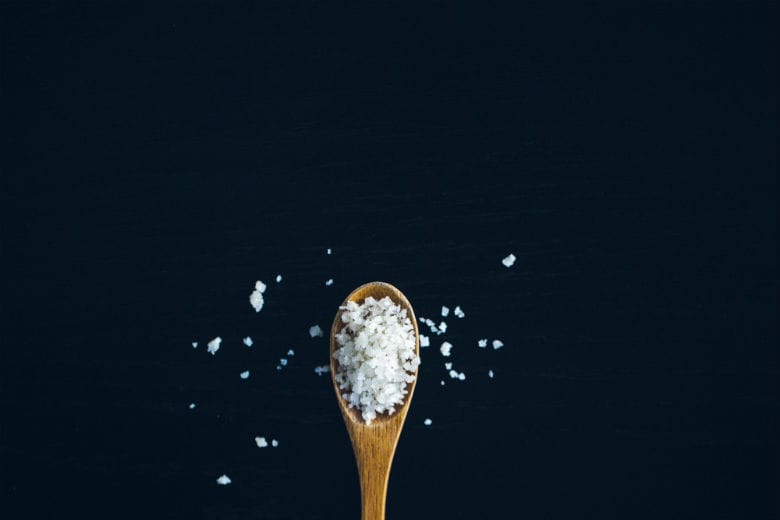
A pinch of it in a soup, a few grains on your hard-boiled egg: a lot of dishes can be made a lot tastier by adding a little salt. The white grains add just that little bit of extra flavour to a dish. That’s why it can be tempting to add a generous amount of it when you’re cooking, but you’d better not. Consuming too much salt can be damaging to your body. Are you experiencing any of the symptoms below? Then your body might be telling you you’re eating too much salt.
Eating too much salt can lead to kidney diseases or high blood pressure.
1. Retaining moisture
Do you have swollen fingers? That might mean that your body is retaining a lot of moisture. This can be the result of consuming too much salt. The solution is very simple: drink more water. This will drive away the salt from your body.
2. Thirst
When you’ve eaten something salty like crisps or nuts, you might feel thirsty afterwards. This is because salt draws out moisture from your body and that causes the salt/water balance to be disturbed. To recover the balance in your body, you need to hydrate properly. It’s best to do this by drinking water or tea. These drinks are most effective against dehydration.
3. Peeing more often
Are you noticing that you have to pee more often than usual? Then you’ve probably eaten too much salt, which is causing your kidneys to work overtime to process it all. Besides having to visit the bathroom more often, your urine might also look darker than normal.
Go to the next page to read about the final four symptoms!
4. Craving unhealthy food
If you consume too much salt, you might experience more cravings for unhealthy foods like candy and crisps. You might also think food tastes bland without some extra salt. You can solve this problem by slowly reducing your salt consumption. For example, next time you’re feeling peckish, eat a piece of fruit instead of some crisps.
5. Headaches
Do you often suffer from headaches? That, too, might be a result of eating too much salt. Research has shown that an adult who consumes 3.5 grams of salt each day has headaches almost one-third more often than people who’ve only consumed 1.5 grams.
6. More frequent muscle cramps
If you often experience muscle cramps after exercising, you might have a salt surplus. This has to do with the balance between salt and potassium. Salt causes your muscles to contract while potassium makes them relax. So, if you eat too much salt, the balance is disrupted and your muscles will contract during and after exercise.
7. Raised blood pressure
A surplus of salt can also have raised blood pressure as a result. When you’re blood pressure is too high, you should preferably lower your salt consumption or stop eating it altogether. In the end, high blood pressure can lead to heart disease, strokes and damaged kidneys.
How much salt a day?
Adults shouldn’t consume more than six grams of salt a day. That’s the equivalent of about one teaspoon. The easiest way to reduce your salt intake is to eat fresh and healthy foods. Generally speaking, processed foods contain the most salt.
Read more: Got leftover pickle juice? These are 10 handy things you can do with it
Want to save this article for later? Pin it on Pinterest!


0 commentaires:
Enregistrer un commentaire